Author: the editorial team

  • Patients with varicose veins may be at an increased risk of dementia

    Patients with varicose veins may be at an increased risk of dementia

    Link Between Varicose Veins and Increased Dementia Risk

    Published on: October 2023

    Recent research indicates that patients suffering from varicose veins may be at an increased risk of developing dementia. This finding sheds light on the potential implications of vascular health on cognitive function.

    Varicose veins are a common condition resulting from weakened valves and veins in the leg, leading to engorged veins that can cause discomfort and other health issues. While typically viewed as a cosmetic concern, emerging studies suggest that the complications associated with varicose veins may extend beyond physical appearance.

    The Study’s Findings

    The study analyzed a cohort of individuals diagnosed with varicose veins, assessing their cognitive performance over time. Results revealed a concerning trend: participants with varicose veins exhibited a higher incidence of cognitive decline and an increased risk of dementia compared to their peers without this vascular condition.

    Possible Mechanisms

    Researchers speculate that the underlying mechanisms linking varicose veins to dementia could be related to decreased blood flow and chronic inflammation, which are known to affect brain health. Vascular health is crucial for maintaining proper cognitive function, and any disruptions in blood flow may contribute to neurodegenerative processes.

    Implications for Patients

    These findings emphasize the importance of early intervention and management of varicose veins. Patients experiencing symptoms should consider consulting healthcare professionals to assess their vascular health. Early treatment options may not only alleviate discomfort but could also provide protective benefits for cognitive health.

    As research continues to explore the connection between vascular conditions and cognitive decline, both healthcare providers and patients should be aware of the potential risks associated with untreated varicose veins.

    This study serves as a reminder of the intricate relationship between bodily health and overall well-being.

  • Sclerotherapy

    Sclerotherapy

    Sclerotherapy: A Comprehensive Treatment for Varicose Veins

    If you’re struggling with varicose veins or other venous insufficiencies, sclerotherapy may be the solution you’re looking for. This minimally invasive procedure has become a popular and effective treatment option, providing both medical relief and cosmetic improvement.

    What is Sclerotherapy?

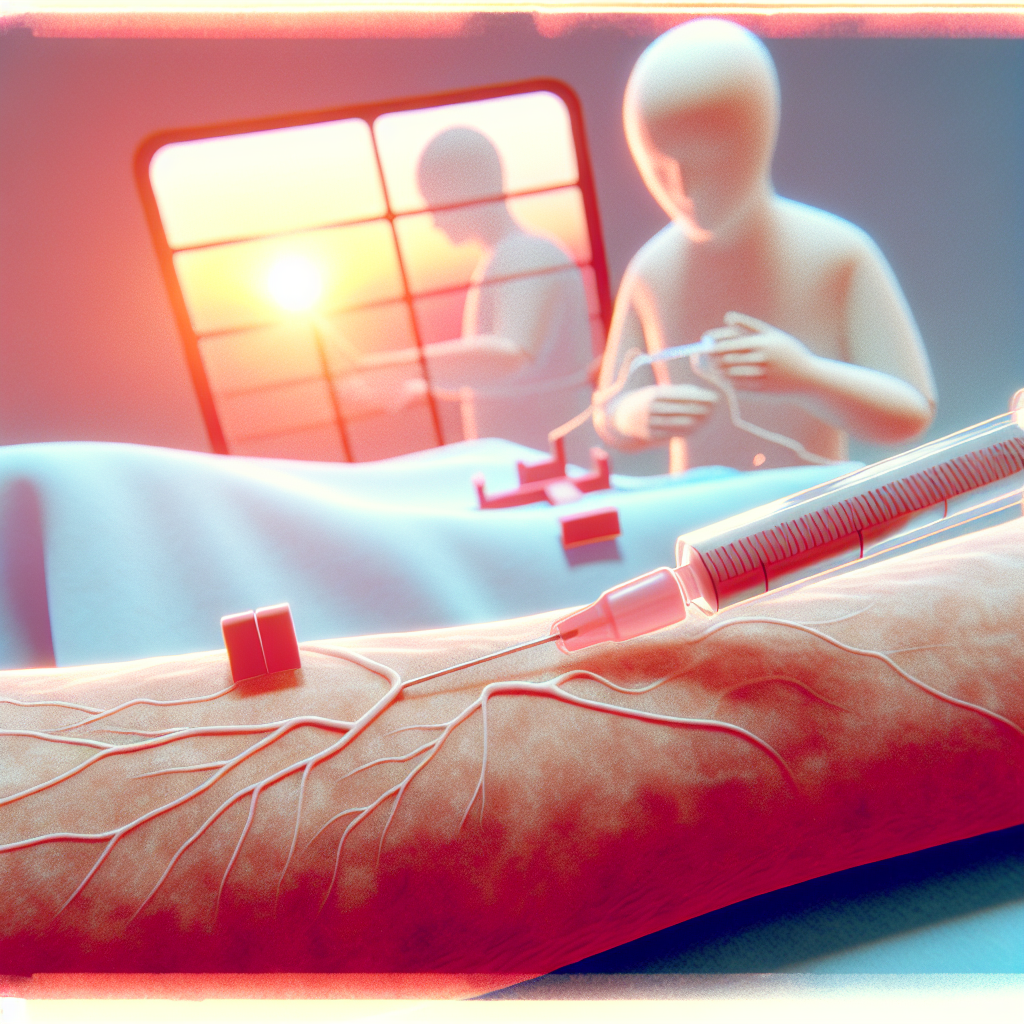
    Sclerotherapy is a medical procedure used to treat spider veins and varicose veins. During this treatment, a solution is injected directly into the affected veins, causing them to collapse and fade from view. The procedure is typically performed in an outpatient setting, making it convenient for patients.

    How Does it Work?

    When the sclerotherapy solution is injected, it irritates the lining of the vein, leading to its closure. Over time, the body naturally absorbs the treated vein, leading to a reduction in the appearance of varicose veins. This process is well tolerated and doesn’t require anesthesia, although some patients may experience mild discomfort during the injection.

    Benefits of Sclerotherapy

    • Minimally Invasive: The procedure is quick, requiring only a few minutes for each injection.
    • Effective Results: Many patients notice significant improvement in the appearance of their veins within a few weeks.
    • Fewer Side Effects: Compared to surgical options, sclerotherapy generally has fewer risks and complications.
    • Rehabilitation: Patients can resume normal activities almost immediately post-treatment.

    Who is a Candidate for Sclerotherapy?

    Sclerotherapy is suitable for a wide range of patients, particularly those suffering from:

    • Varicose veins
    • Spider veins
    • Chronic venous insufficiency

    However, those with certain conditions, such as allergies to the sclerosing agent or a history of blood clots, may need to explore alternative treatments. It’s essential to consult with a healthcare provider to determine if sclerotherapy is appropriate for you.

    What to Expect During the Procedure

    During the sclerotherapy session, the following steps typically occur:

    1. Preparation: The area will be cleaned, and the healthcare provider may mark the veins to be treated.
    2. Injection: A fine needle is used to inject the sclerosing solution directly into the vein.
    3. Compression: After the injection, a compression pad or stocking may be applied to aid in the healing process.

    Aftercare and Recovery

    Post-procedure, patients are advised to walk around to promote blood circulation. It’s common to experience some bruising and swelling, but these symptoms usually subside within a few days. Patients should avoid standing for long periods and may be instructed to wear compression stockings for a designated time to help ensure optimal results.

    Conclusion

    Sclerotherapy is a proven and effective method for treating varicose and spider veins, offering both cosmetic benefits and relief from associated symptoms. If you’re experiencing issues with vein appearance or discomfort, consider discussing sclerotherapy with your healthcare provider to see if this treatment is right for you.

    For more information on vascular health and treatment options, please visit your local healthcare provider.

  • Can Ayurveda cure Varicose veins? A special oil might help

    Can Ayurveda cure Varicose veins? A special oil might help

    Can Ayurveda Cure Varicose Veins? A Special Oil Might Help

    Varicose veins are not just a cosmetic concern; they can be painful and may lead to more serious health issues. Traditionally treated through various medical interventions, a growing number of people are exploring holistic approaches, including Ayurveda, for relief.

    Ayurveda, the ancient Indian system of medicine, emphasizes a holistic approach to health, focusing on balance and harmony within the body. One area where Ayurveda could contribute significantly is in the management of varicose veins.

    Understanding Varicose Veins

    Varicose veins occur when veins become enlarged, swollen, and overfilled with blood. They often result from faulty valves in the veins, which can cause blood to pool rather than flow back to the heart effectively. Symptoms may include aching, cramping, or heaviness in the legs.

    Ayurvedic Perspective

    According to Ayurveda, varicose veins are often associated with imbalances in the body’s doshas, particularly Vata and Pitta. These imbalances can lead to issues such as poor circulation and increased venous pressure. Ayurvedic treatments aim to restore this balance.

    Special Oil for Healing

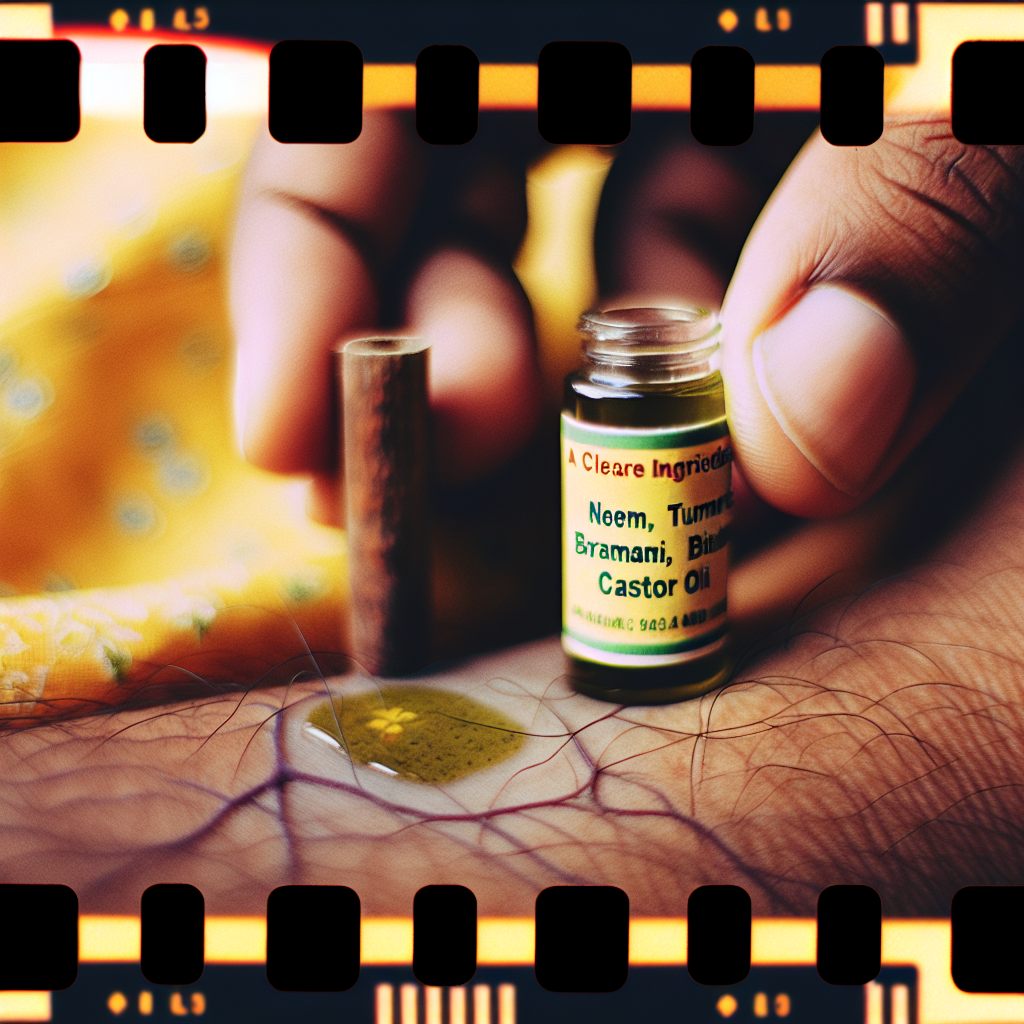
    One promising Ayurvedic remedy for varicose veins is a unique herbal oil formulated with ingredients known for their anti-inflammatory and circulatory benefits. This oil may help improve blood flow, reduce inflammation, and strengthen the vascular structure.

    Ingredients and Benefits

    The special oil often contains ingredients such as:

    • Neem: Known for its anti-inflammatory properties, neem can help improve blood circulation.
    • Turmeric: It contains curcumin, which has potent anti-inflammatory effects.
    • Brahmi: This herb is believed to enhance blood circulation and soothe the nervous system.
    • Castor Oil: It helps in nourishing the tissues and promoting healthy blood flow.

    Application Method

    To use the oil effectively, individuals should gently massage it onto the affected areas, ideally at the end of the day when the legs are tired. Regular application combined with proper lifestyle changes, such as elevation of the legs and a balanced diet, can contribute to better results.

    Precautions

    While Ayurveda offers a natural and holistic approach to managing varicose veins, it’s essential to consult with a healthcare practitioner before starting any new treatment. They can help determine whether Ayurvedic therapies are suitable based on individual health conditions.

    Conclusion

    Ayurveda’s rich tradition of using natural ingredients and holistic practices presents a compelling option for those struggling with varicose veins. A special oil derived from Ayurvedic formulations may offer support in managing symptoms and improving overall venous health. However, it is advisable to combine these treatments with conventional medical advice for the best outcomes.

  • Rare genetic variation in PTPRB is associated with central serous chorioretinopathy, varicose veins and glaucoma

    Rare genetic variation in PTPRB is associated with central serous chorioretinopathy, varicose veins and glaucoma

    New Insights in Biochemistry: Catalytic Mechanisms Unraveled

    Published on October 23, 2023

    Introduction

    The study of enzymatic reactions has long been an essential component of biochemistry, providing insights into the fundamental processes of life. In a new research article published in Nature Communications, scientists present groundbreaking findings that enhance our understanding of catalytic mechanisms, potentially opening avenues for novel therapeutic interventions.

    Research Overview

    This comprehensive study utilized advanced computational techniques alongside experimental approaches to elucidate the intricacies of enzyme activity. The researchers focused on a specific class of enzymes, revealing how subtle changes in their structure can significantly affect their catalytic efficiency.

    Key Findings

    • Structural Dynamics: The team discovered that dynamic structural changes in the enzyme’s active site are critical for catalytic function.
    • Electrostatic Interactions: They identified key electrostatic interactions that stabilize the transition state of the enzymatic reaction, enhancing the rate of catalysis.
    • Mutational Analysis: Through targeted mutations, the researchers were able to demonstrate how specific alterations can modulate enzymatic activity, providing direct evidence of the enzyme’s adaptable nature.

    Implications of the Study

    The findings from this study not only advance the theoretical framework of enzymatic catalysis but also hold significant implications for drug design. By understanding how to manipulate enzymatic activity, researchers may develop more effective therapeutic agents targeted at various diseases.

    Conclusion

    As the body of knowledge around enzymatic mechanisms continues to expand, this study is a critical step forward in biochemistry. It underscores the potential for innovative approaches to modulate enzyme activity, which could pave the way for new treatments in medicine and biotechnology.

    For more details, access the full article here.

    “`

  • Sclerotherapy

    Sclerotherapy

    Sclerotherapy: A Comprehensive Guide to Treating Varicose Veins

    Varicose veins are a common condition that many individuals experience, characterized by swollen, twisted veins that can often be seen just beneath the surface of the skin. While they can be a cosmetic concern, they can also lead to discomfort and health issues. One effective treatment option is sclerotherapy.

    What is Sclerotherapy?

    Sclerotherapy is a minimally invasive procedure used to treat varicose veins and spider veins. It involves the injection of a solution directly into the affected veins, causing them to scar and close. Over time, the treated veins fade from view and are reabsorbed by the body.

    How Sclerotherapy Works

    The procedure is simple and typically performed in an outpatient setting. Here’s how it works:

    1. After evaluating the patient’s medical history and conducting a physical examination, the healthcare provider determines the appropriate solution and dosage.
    2. The affected area is cleaned, and a small needle is used to inject the sclerosing solution into the vein.
    3. The solution irritates the lining of the vein, causing it to harden and eventually dissolve.

    No anesthesia is required, although some patients may experience mild discomfort during the injections.

    Benefits of Sclerotherapy

    Sclerotherapy boasts several advantages:

    • Minimally Invasive: The procedure does not require incisions, leading to minimal scarring.
    • Quick Recovery: Patients can typically resume normal activities shortly after treatment.
    • Effectiveness: Many patients see improvements in the appearance of their veins and experience relief from symptoms.
    • Cost-Effective: Sclerotherapy is often more affordable than surgical options for treating varicose veins.

    Risks and Considerations

    As with any medical procedure, sclerotherapy carries some risks. Potential side effects include:

    • Bruising at the injection site
    • Redness or swelling
    • Transient pain or irritation
    • Rare complications like allergic reactions or blood clots

    It’s essential for patients to discuss their medical history and any medications they are taking with their healthcare provider prior to treatment.

    Who is a Good Candidate for Sclerotherapy?

    Most individuals with varicose veins or spider veins are suitable candidates for sclerotherapy. However, it may not be appropriate for everyone. Patients who are pregnant, nursing, or have certain medical conditions should consult with their healthcare provider for personalized advice.

    Conclusion

    Sclerotherapy is a trusted and effective option for those dealing with the discomfort and aesthetic concerns associated with varicose veins. If you are considering this treatment, consult with a vascular health specialist to determine the best approach tailored to your needs.

    Learn More

    For more information on sclerotherapy and to schedule a consultation, don’t hesitate to reach out to our specialists. Taking the first step towards improved vascular health is just a call away.

    “`

  • Inovia Vein Specialty Centers: Women and Venous Problems

    Inovia Vein Specialty Centers: Women and Venous Problems

    “`html

    Understanding Women’s Venous Health: Insights from Inovia Vein Specialty Centers

    Venous issues are a prevalent concern for women, affecting their quality of life and health. Inovia Vein Specialty Centers have stepped into the spotlight to address this significant health issue, providing specialized care designed for women facing venous problems.

    Common Venous Issues Faced by Women

    Many women experience conditions such as varicose veins, spider veins, and chronic venous insufficiency. These problems can lead to discomfort, pain, and complications if left untreated. Dr. [Name], a specialist at Inovia, emphasizes that early intervention is key to managing pain and preventing further health issues.

    Why Women Are More Affected

    The hormonal and physiological changes women experience throughout their lives, including pregnancy and menopause, significantly contribute to the development of venous conditions. The added pressure from pregnancy can exacerbate existing venous issues or cause new ones to develop.

    Innovative Treatments at Inovia

    Inovia Vein Specialty Centers offer a variety of cutting-edge treatments aimed at managing and alleviating venous problems. These include minimally invasive procedures such as endovenous laser therapy (EVLT) and sclerotherapy, both of which have shown great success in treating varicose and spider veins effectively.

    Patient-Centered Care

    The approach at Inovia is not merely about treating the symptoms but understanding the unique concerns of each patient. The healthcare team is committed to empowering women with knowledge about their conditions, treatment options, and preventive measures to maintain their venous health.

    Taking the First Step

    If you’re experiencing discomfort from venous issues, don’t hesitate to seek help. Early consultation at Inovia can lead to personalized care that caters to your specific needs and ensures you’re on the path to recovery.

    “`

  • Glow and Flow Fort Myers: Free Vein Health Awareness Event and Luncheon – Fort Myers Florida Weekly

    Glow and Flow Fort Myers: Free Vein Health Awareness Event and Luncheon – Fort Myers Florida Weekly

    “`html

    Glow and Flow: A Free Vein Health Awareness Event in Fort Myers

    Date: October 12, 2023

    Location: HealthPark Medical Center, Fort Myers

    On October 12, 2023, Fort Myers will host the “Glow and Flow” event, a unique opportunity for community members to enhance their health knowledge while enjoying a complimentary luncheon. This event is focused on raising awareness about vein health, an often-overlooked aspect of overall well-being.

    Event Highlights

    • Expert Talks: Attendees will benefit from informative sessions led by leading vein specialists who will cover various topics, including symptoms and treatments related to vein health.
    • Networking Opportunities: This gathering will allow participants to connect with healthcare professionals and fellow community members, fostering a supportive health-focused community.
    • Complimentary Lunch: Enjoy a free lunch while gaining valuable insights into maintaining and improving vein health.

    Why Vein Health Matters

    The importance of vein health cannot be understated. Conditions such as varicose veins, chronic venous insufficiency, and deep vein thrombosis can affect individuals of all ages and backgrounds. Understanding the risks and options available for treatment is essential for maintaining a healthy lifestyle.

    Registration and Attendance

    This enlightening event is free to the public, but registration is required due to limited seating. To secure your spot, please visit the event’s official webpage and register today.

    Join us on October 12 at HealthPark Medical Center and take a step towards better vein health while enjoying a complimentary meal and engaging discussions. Mark your calendars and reserve your spot!

    “`

  • Are Your Feet Always Cold? You Could Have a Serious Vein Problem

    **Title: Understanding Cold Feet: A Potential Indicator of Vein Health**

    Cold feet are a common complaint, experienced by many individuals, particularly during colder months. However, persistent coldness in the feet may signal underlying health issues, particularly venous insufficiency. This often-overlooked condition could lead to serious complications if left untreated.

    ### The Physiology of Cold Feet

    The sensation of cold feet can arise from various factors, including environmental conditions, footwear, and body circulation. When the body perceives cold, it prioritizes maintaining core temperature by reducing blood flow to the extremities. However, when cold feet occur frequently or persistently, they may suggest an issue with vascular health.

    ### Venous Insufficiency: A Closer Look

    Venous insufficiency occurs when veins struggle to send blood from the extremities back to the heart, mostly due to weakened or damaged valves. This condition can lead to a buildup of blood in the veins, causing symptoms such as swelling, pain, fatigue, and yes, cold feet. The reduced circulation worsens the sensation of cold, particularly in the toes and feet.

    ### Identifying Other Symptoms

    Individuals experiencing cold feet should be mindful of other symptoms that may accompany this condition. These can include:

    – Swelling in the feet, ankles, or legs
    – Varicose veins or spider veins
    – Skin discoloration or changes in texture
    – Cramping or aching in the lower legs
    – Sores or wounds that heal slowly

    If these symptoms are present, it is crucial to seek medical advice as venous insufficiency can lead to serious complications, such as chronic venous ulcers or deep vein thrombosis (DVT).

    ### Risk Factors for Venous Insufficiency

    Certain factors may increase the likelihood of developing venous insufficiency, including:

    – Genetic predisposition: A family history of vein problems can heighten the risk.
    – Age: The risk increases with age, as veins may naturally weaken over time.
    – Obesity: Excess weight places additional pressure on veins, hindering proper circulation.
    – Sedentary lifestyle: Prolonged sitting or standing can negatively affect blood flow to the legs.
    – Pregnancy: Hormonal changes and the additional weight of carrying a baby can affect venous return.

    ### Seeking Diagnosis and Treatment

    If you suspect that cold feet might be a sign of venous insufficiency, it’s essential to consult with a healthcare provider. A thorough evaluation may include:

    – Physical examination: This allows the physician to assess the presence of swollen veins or other physical indicators.
    – Ultrasound: An ultrasound may be used to evaluate venous function and blood flow.

    ### Treatment Options

    Treatment for venous insufficiency can vary based on severity and underlying causes. Common approaches include:

    – **Lifestyle changes**: Enhancing physical activity, maintaining a healthy weight, and elevating the legs can improve circulation.
    – **Compression therapy**: Wearing compression stockings can help support vein function and alleviate symptoms.
    – **Medications**: Certain medications may be prescribed to improve circulation and manage symptoms.
    – **Surgical interventions**: In more severe cases, options such as vein stripping or laser therapy might be recommended to remove or close problematic veins.

    ### Conclusion

    While cold feet may seem benign or simply a seasonal discomfort, they can indicate more serious health issues, such as venous insufficiency. It is essential to pay attention to the sensation of cold feet and associated symptoms. By understanding the potential implications and seeking timely medical attention, individuals can maintain better overall vein health and prevent serious complications down the line.

  • Vein & Body Specialists offers outpatient varicose veins treatments and esthetic services

    **Transforming Health and Confidence: Vein Body Specialists Offer Innovative Outpatient Treatments for Varicose Veins and Aesthetic Services**

    In an era where health and appearance often go hand in hand, Vein Body Specialists are stepping into the spotlight with their comprehensive outpatient treatments for varicose veins. Located prominently in our community, this specialized clinic is not only addressing the medical concerns associated with varicose veins but is also enhancing the overall aesthetic experience for their patients.

    ### A Growing Health Concern

    Varicose veins affect millions worldwide, often causing discomfort and self-consciousness. These enlarged, twisted veins can lead to more than just cosmetic issues; they may also signify underlying health problems. Symptoms such as pain, swelling, and fatigue can severely impact one’s quality of life. Recognizing the need for tailored solutions, Vein Body Specialists have developed a range of minimally invasive treatments designed to alleviate discomfort and improve the appearance of affected veins.

    ### Outpatient Treatments That Combine Expertise with Comfort

    At Vein Body Specialists, patients can expect a personalized approach to their care. The clinic employs the latest technology and techniques to provide effective treatments. One of the most well-regarded procedures offered is Endovenous Laser Therapy (EVLT). This technique utilizes laser energy to close off varicose veins, allowing unhealthy blood flow to be rerouted to healthier veins.

    For those seeking even less invasive options, sclerotherapy is available. This involves injecting a solution directly into the vein, causing it to collapse and fade away over time. These outpatient procedures require minimal downtime, enabling patients to return to their daily lives almost immediately.

    ### Aesthetic Services: Enhancing Confidence from the Inside Out

    In addition to treating varicose veins, Vein Body Specialists understand that many patients are also interested in enhancing their overall appearance. To complement their vein treatments, the clinic offers a variety of aesthetic services designed to boost self-esteem and satisfaction with one’s appearance.

    From skin rejuvenation treatments to body contouring procedures, the aesthetic offerings are tailored to meet the individual needs of each patient. The goal is to not only treat medical concerns but also to promote overall wellness and confidence.

    ### Commitment to Patient Education and Care

    What sets Vein Body Specialists apart is their commitment to patient education and care. The staff takes the time to explain each procedure, answer questions, and guide patients through the treatment process. By fostering an environment of trust and understanding, they ensure that patients feel comfortable and informed every step of the way.

    ### Conclusion

    In conclusion, Vein Body Specialists stand out as a beacon of hope for those struggling with varicose veins and seeking aesthetic enhancement. Their blend of advanced medical treatments and personalized care not only alleviates physical discomfort but also restores confidence in their patients. As awareness around vein health and aesthetic treatments continues to grow, clinics like Vein Body Specialists are integral in helping individuals achieve both health and beauty, transforming lives one patient at a time.

    For more information or to schedule a consultation, interested individuals are encouraged to visit their website or contact the clinic directly, taking the first step toward healthier veins and enhanced self-image.

  • Sclerotherapy

    ### Understanding Sclerotherapy: A Minimally Invasive Treatment for Varicose Veins

    Sclerotherapy has emerged as a popular and effective treatment option for individuals suffering from varicose veins and spider veins. As a minimally invasive procedure, it offers a remedy for cosmetic concerns while also addressing potential health issues associated with venous insufficiency. Here, we explore what sclerotherapy involves, its benefits, and what patients can expect from the treatment.

    #### What is Sclerotherapy?

    Sclerotherapy is a medical procedure designed to treat abnormal or diseased veins. During this treatment, a specialized solution—known as a sclerosing agent—is injected directly into the affected veins. This solution causes the veins to collapse and gradually fade from view, effectively eliminating the appearance of varicose and spider veins.

    The procedure is most commonly used on veins in the legs but can also be applied to facial veins and other areas. It is particularly sought after for its non-surgical nature, allowing patients to avoid the risks associated with more invasive vein surgeries.

    #### The Benefits of Sclerotherapy

    1. **Minimally Invasive**: Unlike traditional surgery, sclerotherapy does not require incisions, leading to less pain and faster recovery times. The treatment can often be performed in an outpatient setting, allowing patients to return to their daily activities almost immediately.

    2. **Cosmetic Improvement**: Many patients seek sclerotherapy primarily for cosmetic reasons. By addressing the appearance of varicose and spider veins, the treatment can significantly enhance the aesthetic appeal of the legs and other treated areas, boosting self-confidence.

    3. **Symptom Relief**: In addition to improving appearance, sclerotherapy can alleviate symptoms associated with problematic veins, such as aching, swelling, cramping, and heaviness in the legs. This dual benefit makes it an attractive option for many individuals.

    4. **Quick Procedure**: The treatment is relatively quick, typically lasting less than an hour, depending on the number of veins being treated. Patients often experience immediate results, with full effects becoming noticeable over the weeks following the procedure.

    5. **Low Risk of Complications**: Sclerotherapy has a strong safety record, with few side effects. Common side effects may include slight swelling, redness, or bruising at the injection site, which usually resolve on their own.

    #### What to Expect During the Procedure

    Before undergoing sclerotherapy, patients typically have a consultation with a healthcare professional to evaluate their condition and discuss their treatment goals. During the procedure, the following steps generally take place:

    1. **Preparation**: The area to be treated is cleaned and sometimes marked to identify the veins that will be injected.

    2. **Injection**: Using a fine needle, the healthcare provider injects the sclerosing solution directly into the targeted vein. Patients may feel a slight sting during the injection, but this is often mild and short-lived.

    3. **Post-Injection Care**: After the injections, the healthcare provider may apply compression garments to help facilitate the closure of the treated veins. Patients are usually advised to walk soon after the procedure to promote circulation.

    4. **Follow-Up**: A follow-up appointment may be scheduled to assess the treatment results and determine if additional sessions are necessary.

    #### Conclusion

    Sclerotherapy is a safe and effective solution for those seeking relief from the discomfort and aesthetic concerns associated with varicose and spider veins. With its minimally invasive nature and quick recovery time, sclerotherapy has become a staple in the field of vascular health. Patients interested in this procedure should consult with a qualified healthcare provider to determine if it is the right choice for their specific needs. By understanding the benefits and expectations of sclerotherapy, individuals can make informed decisions about their vascular health and overall well-being.